
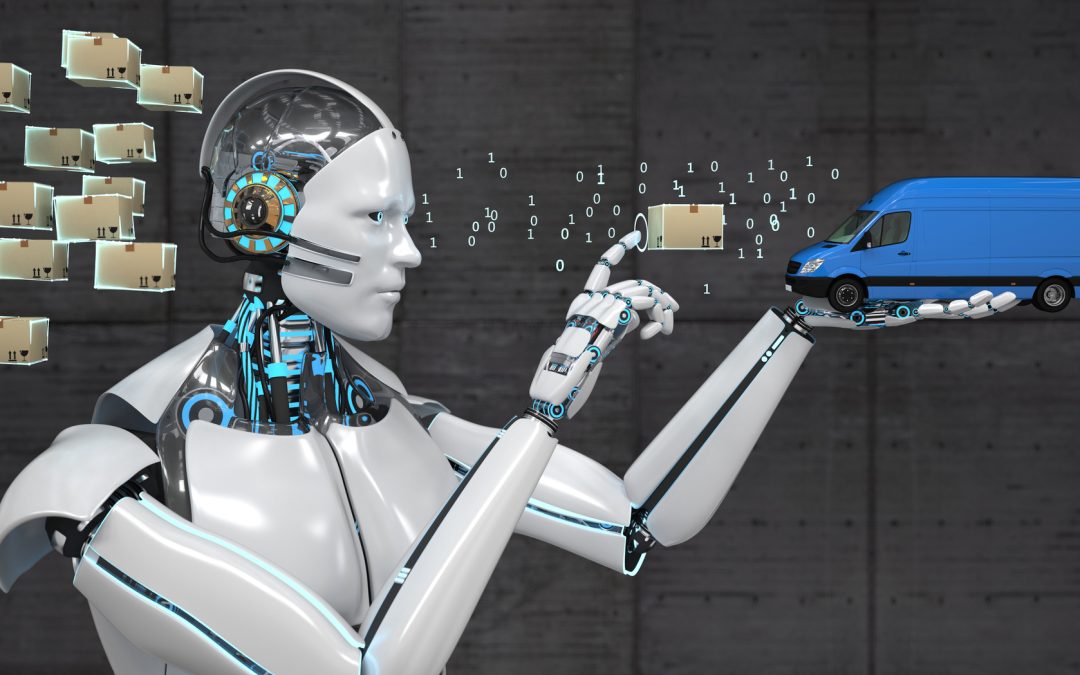
In a world driven by innovation and technological advancements, few industries remain untouched by the transformative power of artificial intelligence (AI). Among them, the trucking and freight business stands on the cusp of a major revolution. As AI continues to evolve, its impact on this industry is becoming increasingly apparent, bringing with it a host of advantages and challenges.
The Pros of AI in Trucking and Freight:
- Efficiency Redefined: One of the most significant benefits of integrating AI into the trucking and freight sector is the boost in operational efficiency. AI-powered systems can optimize routes, taking into account real-time traffic, weather conditions, and road closures. This minimizes delivery delays, reduces fuel consumption, and maximizes overall fleet efficiency.
- Enhanced Safety: Safety is paramount in the trucking industry. AI-driven tools such as collision avoidance systems, driver monitoring, and fatigue detection technologies contribute to safer journeys for truckers and others on the road. These systems can react faster than human reflexes, mitigating accidents and potentially saving lives.
- Predictive Maintenance: AI-powered sensors and analytics can predict mechanical issues before they escalate. By constantly monitoring the health of the vehicles, fleet managers can schedule maintenance and repairs at optimal times, minimizing downtime and increasing the longevity of their assets.
- Reduced Costs: AI’s ability to analyze vast amounts of data enables better cost management. This includes fuel optimization, improved load distribution, and streamlined logistics, all of which contribute to substantial cost reductions over time.
- Labor Shortage Mitigation: The trucking industry has had a driver shortage for years. AI could alleviate this challenge by enabling autonomous or semi-autonomous trucks to handle long stretches of highway driving. At the same time, human drivers manage more complex urban navigation and last-mile deliveries.
The Cons of AI in Trucking and Freight:
- Job Disruption: One of the most significant concerns surrounding AI in the industry is the potential displacement of truck drivers. While the technology may create new job opportunities in areas like AI monitoring and maintenance, the shift could result in job losses for those whose livelihoods depend on driving.
- Initial Investment: Integrating AI systems requires a significant upfront investment in terms of technology, infrastructure, and employee training. This could be a barrier for smaller trucking companies, limiting their ability to reap the benefits of AI-driven solutions.
- Data Privacy and Security: AI’s effectiveness relies on data collection and analysis, raising concerns about data privacy and security. Sensitive information about routes, deliveries, and customer details could be vulnerable to cyberattacks if proper safeguards are not in place.
- Regulatory Hurdles: The deployment of autonomous vehicles and other AI technologies in the trucking industry is subject to regulatory approval. Navigating the complex landscape of regulations and ensuring safety compliance can slow down the adoption of AI solutions.
- Dependence on Technology: While AI offers numerous benefits, an overreliance on technology could leave companies vulnerable in the event of system failures or technical glitches. Maintaining a balance between AI and human oversight is essential to avoid catastrophic disruptions.
The Road Ahead: Striking a Balance
The trucking and freight industry stands at a crossroads where embracing AI could lead to unprecedented efficiency gains and advancements. However, to fully harness the potential benefits, stakeholders must address the challenges head-on. Workforce transition strategies, robust cybersecurity measures, and collaboration with regulators are crucial steps to ensure a smooth integration of AI.
As AI continues to evolve, it’s important to remember that technology is a tool, and its impact depends on how it’s wielded. By fostering a symbiotic relationship between human expertise and AI capabilities, the trucking and freight industry can navigate the road ahead with confidence, redefining the way goods are transported and setting new standards for efficiency, safety, and sustainability.